Trump Contradicts Vance on Iran Priorities: Nukes Take Precedence Over Oil Prices
In a dramatic turn of events, Trump emphasizes nuclear disarmament over energy costs amidst rising tensions with Iran.
Context of the Contradiction
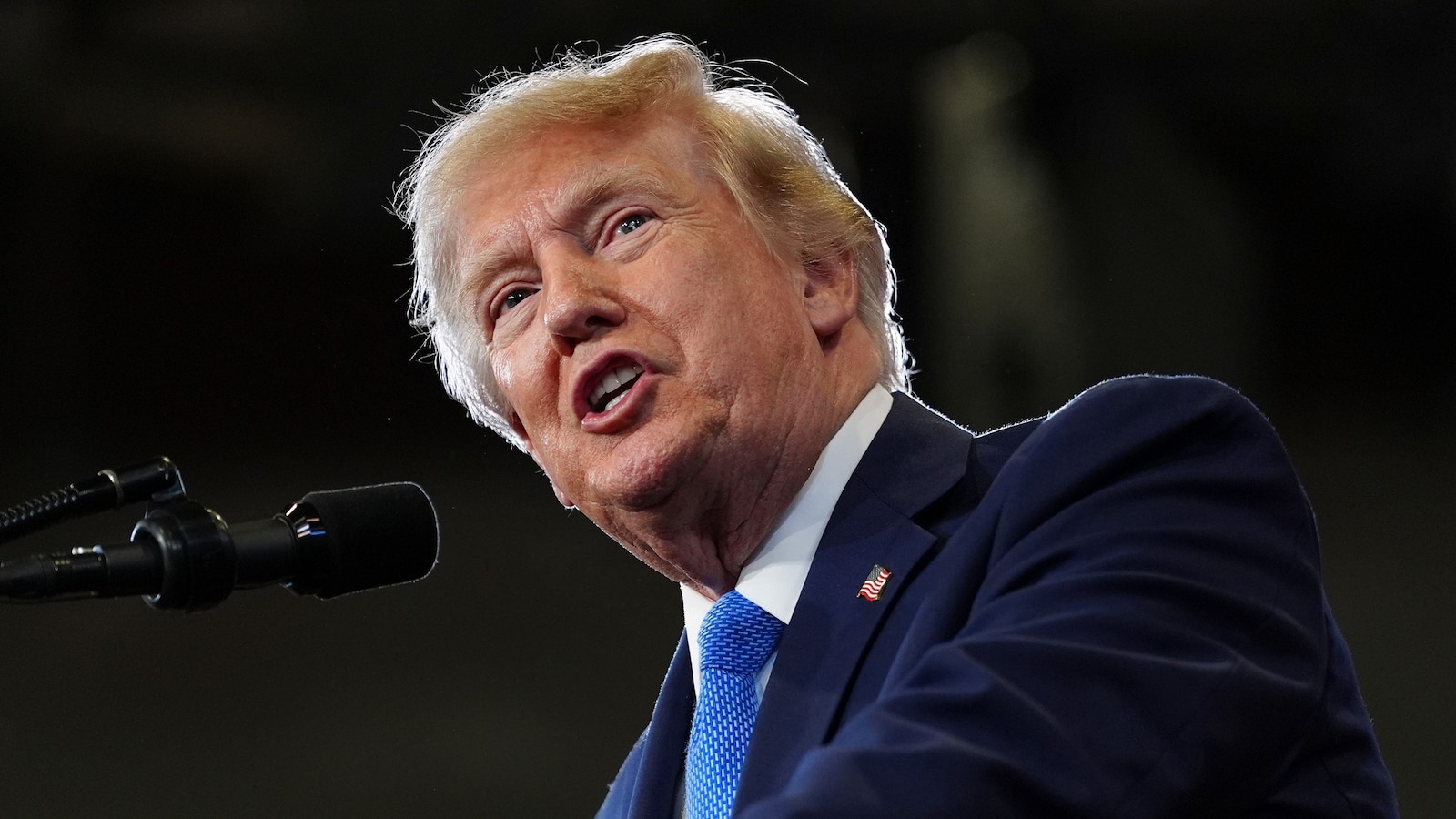
Recent statements from President Donald Trump have highlighted a significant divide between his administration's priorities regarding Iran. Following comments made by Vice President JD Vance about the importance of low oil prices, Trump asserted that preventing Iran from acquiring nuclear weapons is the administration's foremost goal. This public disagreement raises questions about the administration's strategic direction in the context of escalating conflicts.
The Exchange of Priorities
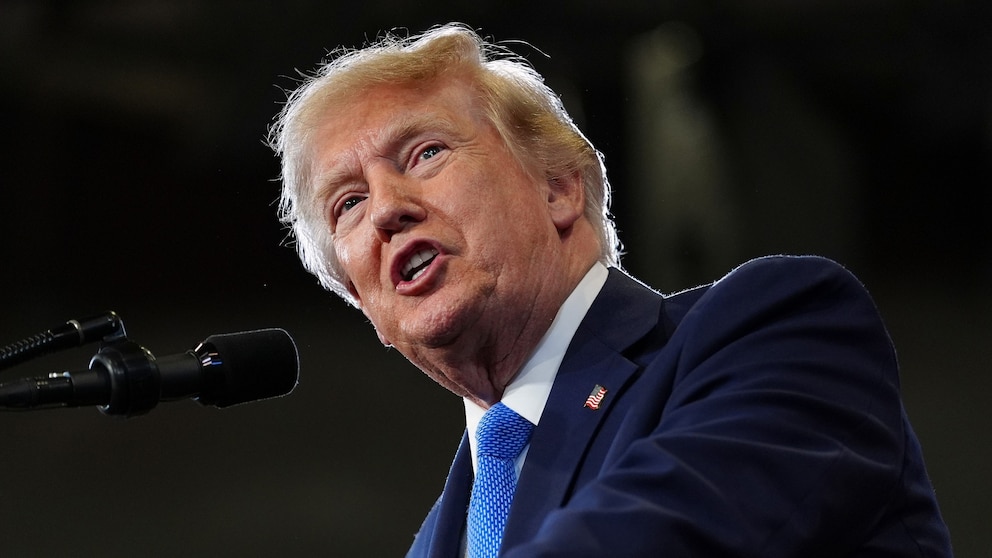
On August 14, 2026, President Trump addressed the press, reiterating, "The number one goal is, and always will be, that Iran can't have a nuclear weapon." This remark directly contradicted Vice President Vance's prioritization of energy costs for Americans. Vance had previously stated on Fox News that the administration's top priority was to keep oil prices down, labeling it as "goal No. 1" amidst the ongoing conflict with Iran. According to Vance, "goal No. 2" was ensuring Iran never obtains nuclear capabilities.
Trump's Stance on Military and Economic Decisions
Historically, Trump has maintained a firm stance that economic pressures should not influence military decisions. In May of the same year, he stated definitively, "Not even a little bit," when asked whether gas prices would affect his military strategy regarding Iran. "The only thing that matters when I’m talking about Iran: they can’t have a nuclear weapon," Trump added, emphasizing an uncompromising approach to national security.
White House Response
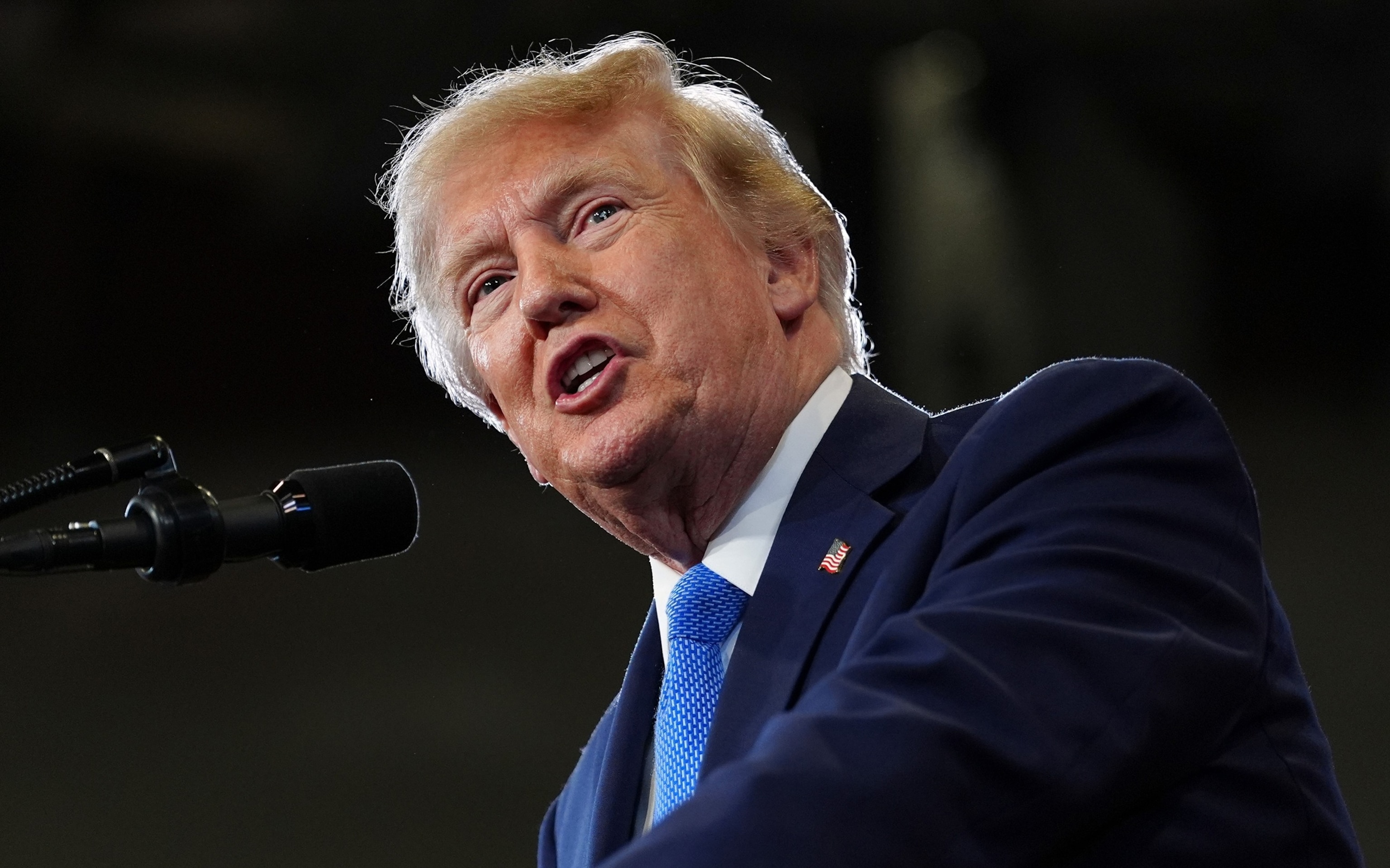
The White House has worked to clarify these diverging viewpoints, with press secretary Karoline Leavitt stating, "Both goals are equally as important to the president." She remarked that while the administration strives to keep gas prices low, the paramount concern remains ensuring that Iran never develops nuclear weapons.
Impact on Domestic Energy Market
The discussion surrounding Iran's actions has critical implications for the global energy market. With the conflict's potential to disrupt the Strait of Hormuz, a vital passage for oil transport, prices have surged. Currently, the average price of a gallon of regular gasoline stands at $4.02, reflecting a noticeable increase since the onset of hostilities. Trump has not shied away from addressing these rising costs, asserting, "I will not apologize for the price of gas."
Conclusion
This internal conflict within the administration regarding priorities signals a broader strategic discourse as the Iran situation continues to develop. As energy prices remain a pressing issue for American voters, the administration must navigate these complexities while maintaining a firm stance on national security.