Impact of Estrogen Levels on Memory Resilience Under Stress: Insights from Mouse Studies
Research reveals how estrogen in the brain influences memory and cognitive resilience in response to trauma
Introduction
Experiencing trauma can lead to significant memory challenges, and recent findings indicate that estrogen may play a crucial role in shaping the brain's ability to cope with stressors. A groundbreaking study conducted on mice sheds light on how estrogen levels in both male and female brains could influence the resilience of memory when faced with traumatic experiences.
The Role of Estrogen in the Brain
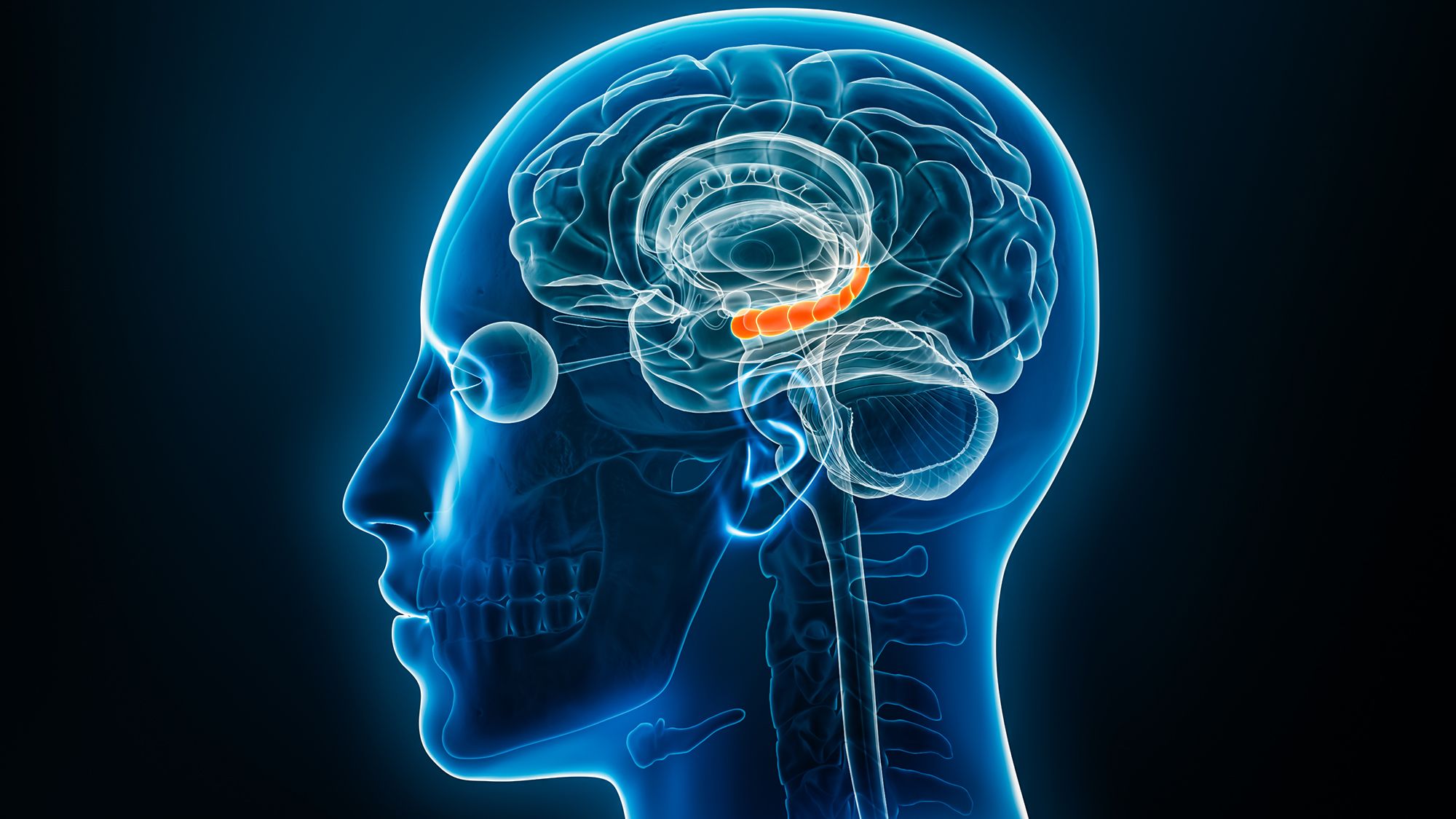
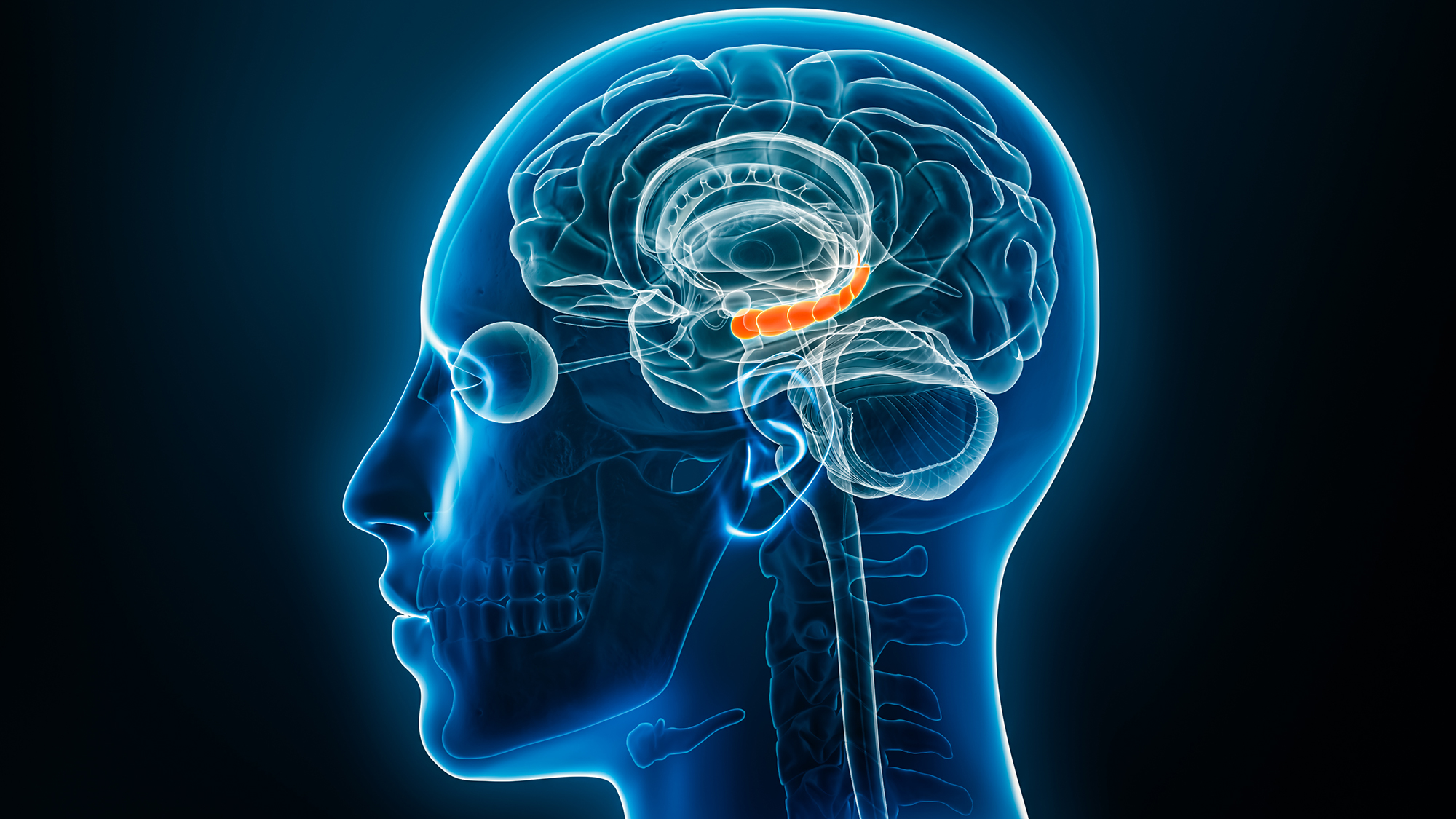
The hippocampus, the brain's primary memory center, is capable of producing and responding to estrogen. This phenomenon has been observed in both sexes, challenging the traditional notion of estrogen as merely a female hormone. As noted by Elizabeth Heller, a co-author of the study and a professor at the University of Pennsylvania Perelman School of Medicine, "We're so biased to think of female high estrogen, male low estrogen." In reality, the levels can vary based on several factors, including hormonal cycles in females and stable concentrations in males.

Estrogen and Memory: A Double-Edged Sword
High levels of estrogen in the hippocampus may negatively impact one’s resilience against traumatic events. According to the study published in Neuron, persistent memory disturbances can manifest from traumatic experiences, leading to conditions such as post-traumatic stress disorder (PTSD). Heller explains that the research proposes a link between local estrogen concentrations and heightened vulnerability to memory impairments following acute stressors.
The Study: Methodology and Findings
Researchers simulated trauma by exposing mice to a combination of stressors including bright lights, loud noises, and the odors of other distressed mice. Following these stressors, their memory performance was assessed through various tests in comparison to a control group that experienced no stress. The results were telling; stressed male mice displayed significant memory deficits that persisted for weeks.
Interestingly, female mice were affected differently based on their hormonal phases. Those stressed during proestrus, when estrogen levels peak, showed memory loss similar to their male counterparts. In contrast, female mice that faced stress during estrus, when estrogen levels drop sharply, demonstrated resilience, maintaining memory performance akin to unstressed mice.
The Connection Between Estrogen and Gene Regulation
Understanding why estrogen levels affect memory resilience involves delving into gene regulation. Estrogen receptors directly influence gene expression and can activate or deactivate specific genes crucial for memory function. Heller’s research indicates that high estrogen in male and proestrus female mice alters chromatin structures, potentially exacerbating the risk of memory issues when stress is introduced.
Conclusion and Future Directions
The implications of this study extend beyond mice, as researchers believe the findings can be translated into human populations. Differences in estrogen levels and their effects on memory resilience between genders may contribute to the observed disparities in PTSD prevalence, with approximately 10-12% of women and 5-6% of men experiencing the disorder in their lifetime. This research opens up new avenues for exploring potential treatments and interventions aimed at PTSD, focusing on hormonal impacts on cognitive resilience.
As science continues to unlock the complexities of brain chemistry and memory, further investigations into the role of estrogen could yield transformative insights into mental health and trauma recovery.