Meet the Leader of the Department of Biology’s All-Important Kitchen
A Journey Through Decades of Dedication and Innovation in MIT's Glassware Sterilization Facility
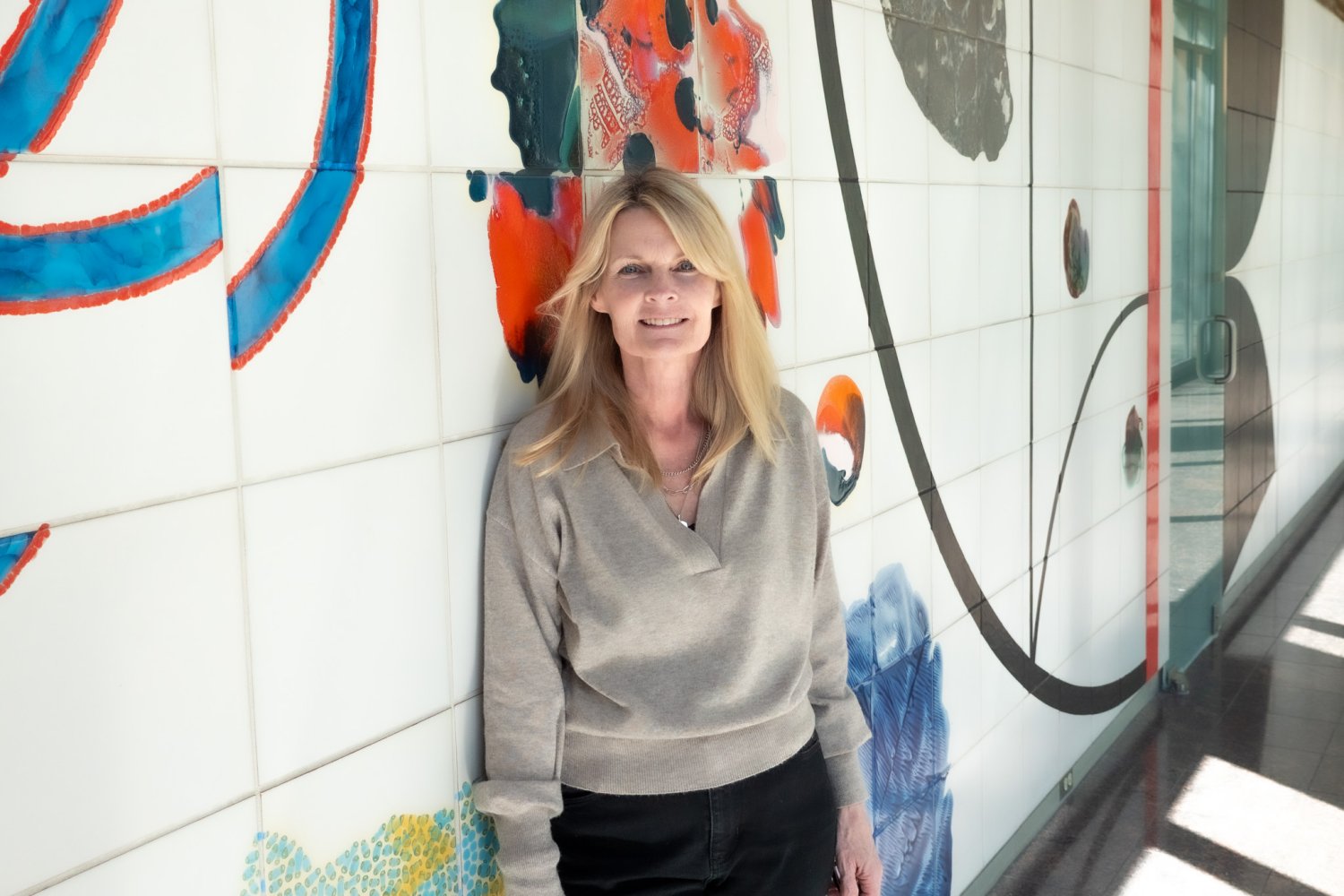
Karen O’Leary: The Heart of Building 68
In the decades since joining the MIT Department of Biology, Karen O’Leary has earned a reputation for going above and beyond in "the kitchen," the glassware sterilization facility that provides essential equipment to all the labs pursuing cutting-edge research in Building 68.

Early mornings in the halls of Building 68 feature the sounds of rolling wheels on big metal carts, the rattling of glassware, the whooshing of faucets, and the clanking of autoclaves. These aren’t the sounds of researchers at work, but rather those of keeping the labs sterilized and stocked with the sundries of research: pipette tips, test tubes, flasks, petri dishes, and more.
Orchestrating this sunrise cacophony and the staff that undertakes it is O’Leary, lab associate and acting supervisor in the Glassware Sterilization Facility, also known affectionately as the "kitchen." Thanks, in part, to O’Leary’s proactive nature and hard work, the kitchen staff were recently recognized with an MIT Excellence Award in 2025 for exceptional contributions in service of the community.
“My goal is to get the scientists everything they need to do their research,” O’Leary says. “I’m good at what I do.” O’Leary admits she did not always possess such confidence. In almost 40 years at MIT, she has grown into this critical role, watching the department evolve and adapt to modern practices.
From Novice to Expert
On September 7, 1987, O’Leary joined the MIT community as a staff member for the first time, just 18 years old and fresh from vocational high school, where she studied cosmetology but felt too shy to pursue that as a career. “When I started, I didn’t even know what a beaker was,” she recalls. Embarrassed during her interview, she even made up a phone number to avoid admitting she couldn’t remember her own.
Working under the mentorship of Thelma Watkins, who retired in 1996 after 21 years at MIT, O’Leary learned invaluable lessons that would shape her career. “She taught me to show up every day, work hard, and laugh,” O’Leary says, emphasizing the importance of camaraderie in the workplace.

The Evolution of Sterilization
Even now, O’Leary continues to bring joy to her rigorous routine. “Karen is always on top of things,” says longtime friend and fellow Lab Associate AnnMarie Budhai. Facilities and Operations Manager Cesar Duarte reflects on O’Leary’s invaluable support and knowledge that helped him transition into his role in Building 68 in 2023. “Karen makes everything run more smoothly and pleasantly,” Duarte remarks.
While some might consider it drudgery, O’Leary finds washing glassware to be her favorite task. “I like that when I wash, I can see the job is complete at the end of the day,” she states. Through her eyes, each task undertaken contributes to a larger purpose.
Technological advancements have revolutionized glassware sterilization over the years. With more effective autoclaves and dishwashers, outdated methods such as submerging equipment in acid for sterilization have become relics of the past. Advancements achieved during O’Leary’s tenure include the introduction of a new, cheaper, and more efficient approach to managing regulated medical waste, which is now universally adopted across MIT.
A Legacy of Balance and Community
Raised in Weymouth, Massachusetts, by a father who also worked at MIT, O’Leary cherishes the balance between work and family life that her role has afforded her. Such flexibility allowed her to support her own children growing up. “I’ve had great work-family balance here,” she states. O’Leary’s involvement in the MIT community extends beyond chores; she attends to her health and encourages kinship with her colleagues by participating in activities that foster their bond.
In her retirement plans, she envisions herself remaining active in both family and community: “I owe a lot to MIT. I have been allowed to work hard and get satisfaction and have been appreciated.”
A Symbol of Dedication at MIT
O’Leary’s contributions reflect a profound dedication to the MIT Department of Biology. As Duarte aptly puts it, “It’s an understatement to say that Biology is lucky to have her.” Her overflowing energy, meticulous attention to detail, and instinctive care for the research community have made her an irreplaceable asset at MIT.